
The Best Traffic Bot and Website Automation Software
TrafficBotPro empowers you to effortlessly automate any web task and send mass traffic to websites with
ease





Earn money by clicking ads
on your website or beat
your competitors by
clicking their AD
automatically.


Join popular freelancing
platforms like Fiverr, Seo
Clerks and start selling
website traffic there and
make some money!
| Section | Opening line (approx.) | Philosophical point | |---------|----------------------|---------------------| | | "Nema mi veće sreće nego da ti ispričam ovu pjesmu..." | Ivan frames it as a "poem in prose" – he is the author, not the believer. | | The Setting | "Sevilja. U tamnici kod svete Marije..." | Christ appears to the people; they worship him instantly. | | The Arrest | "Stari inkvizitor vidi ga prolazi..." | The Cardinal orders him imprisoned, reasoning that Christ never returned to meddle. | | The Monologue (core) | "Zašto si došao da nam smetaš?" | The Inquisitor argues that the Church has improved Christ’s teaching: they give people bread, miracles, and collective submission. | | The Release | "Zato što te ne želim više u zatvoru..." | Christ kisses the old man. The Inquisitor lets him go, saying "Idi i ne dolazi više…" | | Alyosha’s reaction | "Tvoja pjesma je hvala Isusu, ne poruga..." | Alyosha kisses Ivan – mirroring the poem’s ending. |
F.M. DOSTOJEVSKI - Veliki inkvizitor | Audio knjige na srpskom
Ignore the philosophy. Feel the heat of Seville, the cold of the prison, the hatred in the old man’s voice.
The Grand Inquisitor's rationalizations for his actions are both fascinating and disturbing. He argues that humanity is not yet ready for the burden of freedom, that people are inherently weak and incapable of making choices that lead to true happiness. He sees himself as a guardian, protecting humanity from the destructive consequences of unchecked freedom. However, this line of reasoning raises fundamental questions about the nature of humanity and the role of authority.
: Poema se vrti oko tri pitanja koja je Duh (Satana) postavio Hristu u pustinji: hleb, čudo i vlast. Inkvizitor veruje da je crkva "ispravila" Hristovu grešku prihvatajući ova iskušenja kako bi nahranila i umirila čovečanstvo.
"The Grand Inquisitor" is a pivotal chapter in Dostoevsky’s The Brothers Karamazov that presents a profound critique of freedom, authority, and faith through a monologue by a 90-year-old cardinal in 16th-century Seville. The narrative explores the conflict between human weakness and the burden of free will, ultimately contrasted by a silent, loving gesture from Christ. For an in-depth summary and analysis, visit SparkNotes .
The Grand Inquisitor, who has long believed that humanity is inherently flawed and in need of guidance and control, sees Jesus as a threat to his authority. He believes that Jesus' message of love and forgiveness is unrealistic and that humanity needs a more practical and effective approach to achieving happiness.
TrafficBotPro is a software web automation software that allows you to hide and control your digital
fingerprint by spoofing all parameters that websites can see. By masking these settings, you can bypass
anti-fraud systems by impersonating your real internet identity.
It helps you create a large number of profiles, each with its own digital fingerprint. These profiles do not
overlap with each other, so the website cannot ban your account. This is useful for performing various tasks
on the Internet.
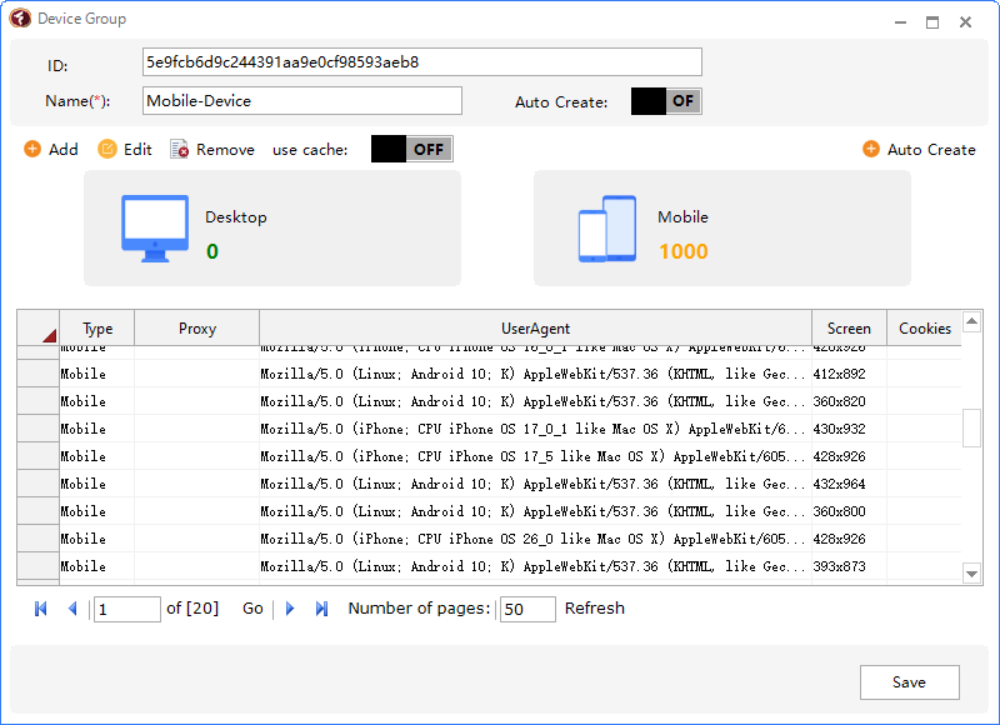
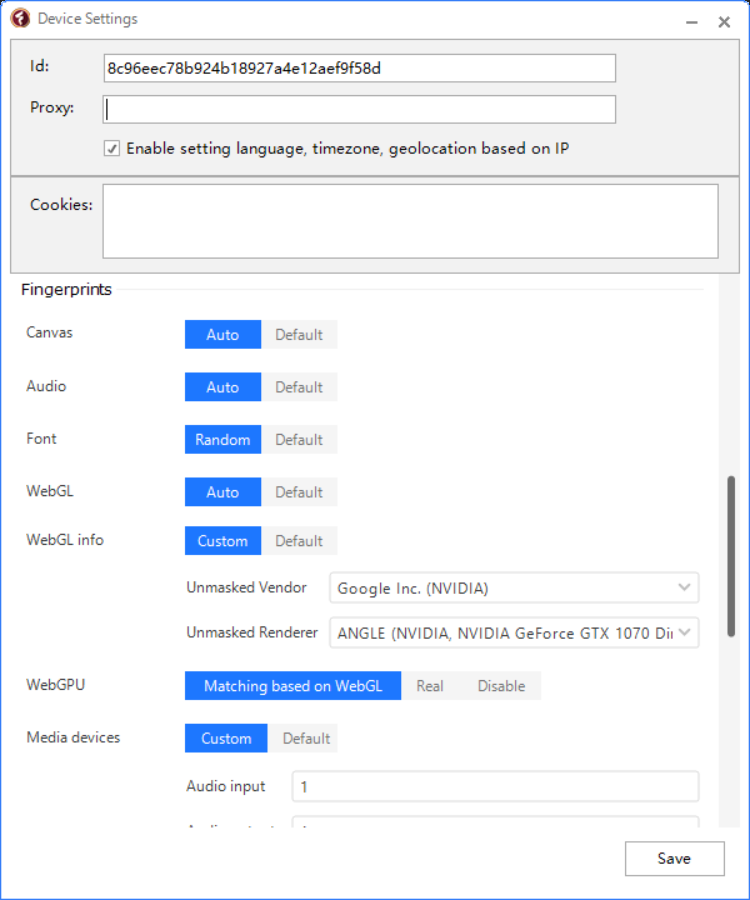
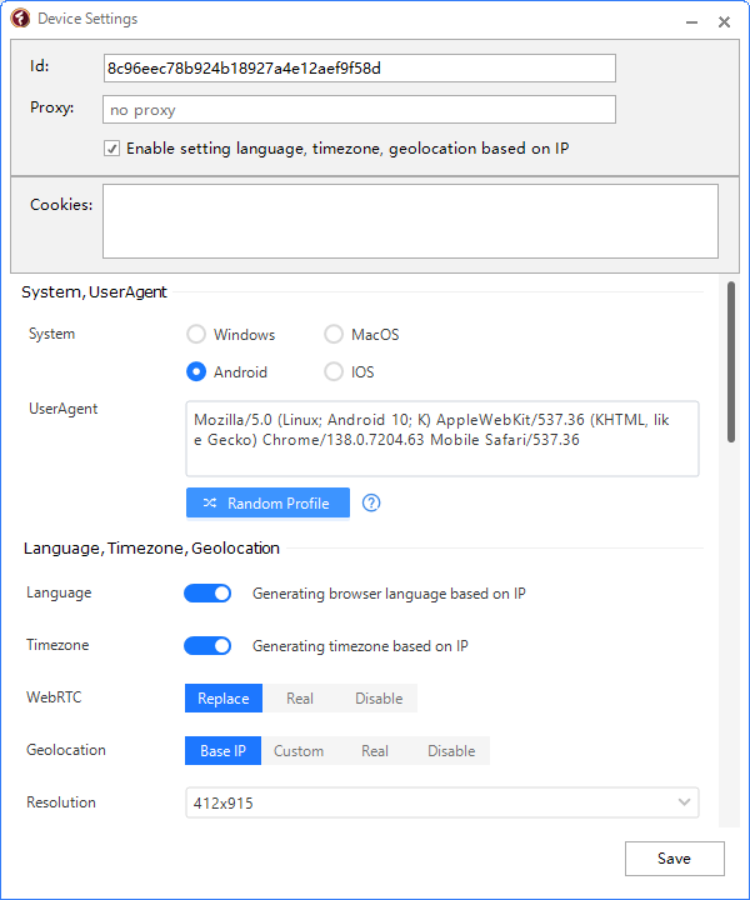
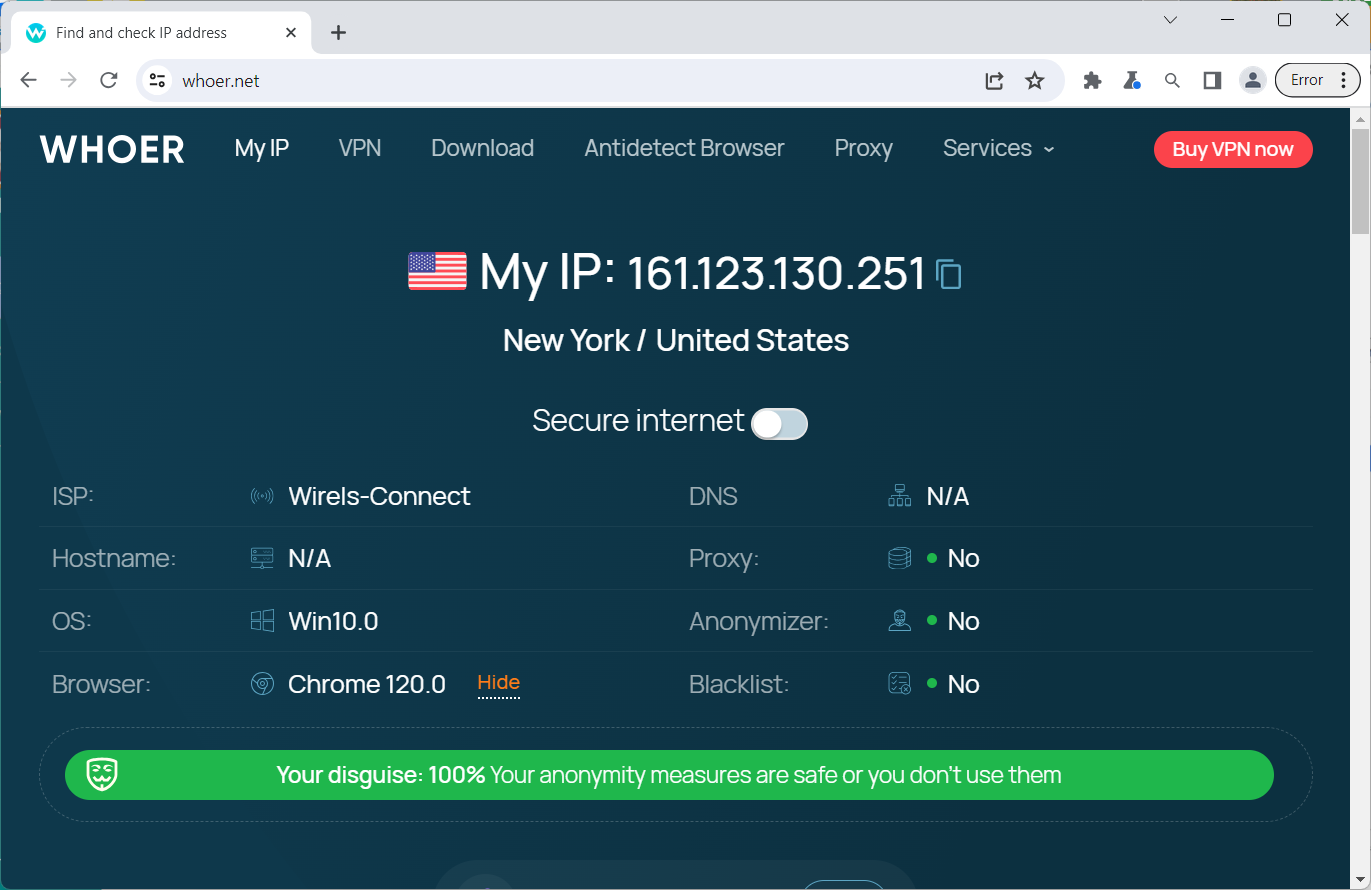
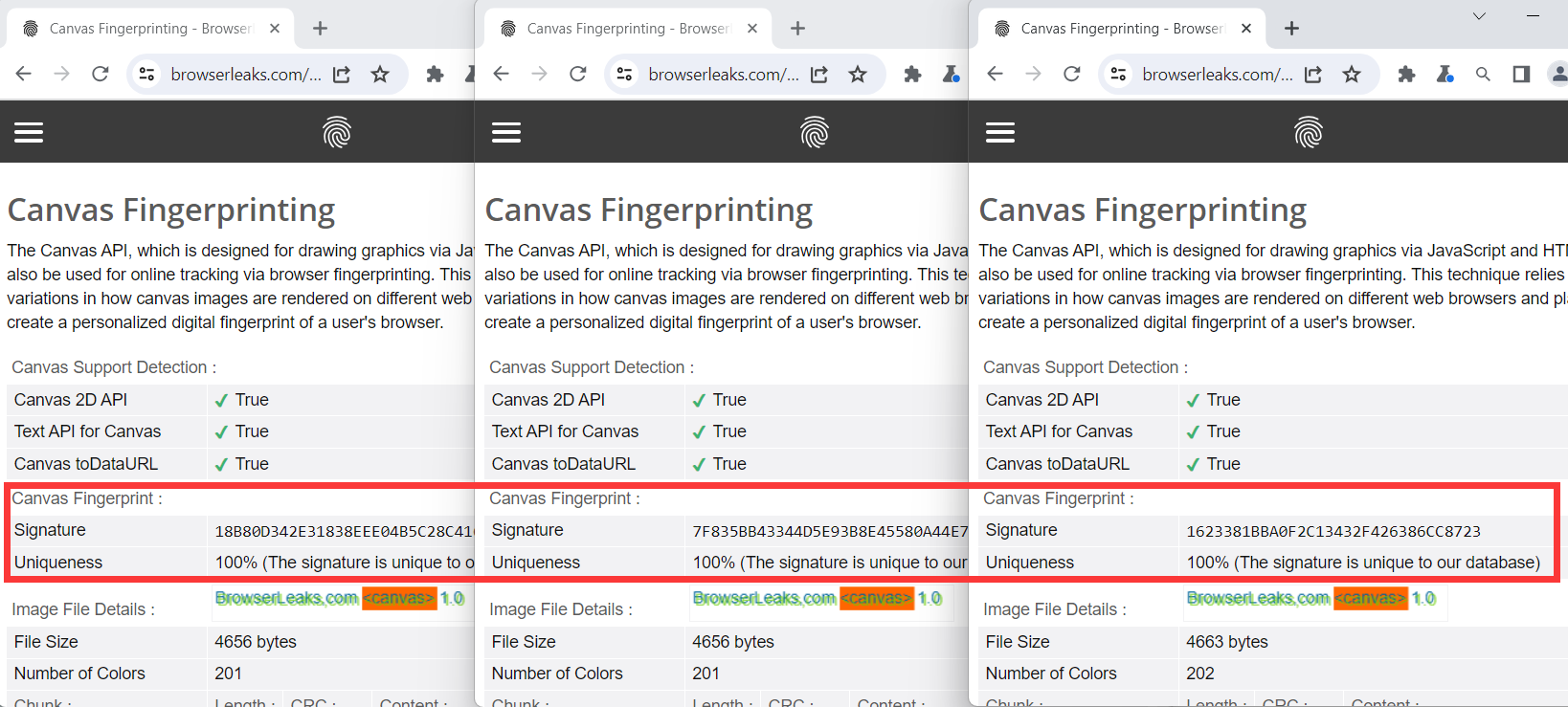
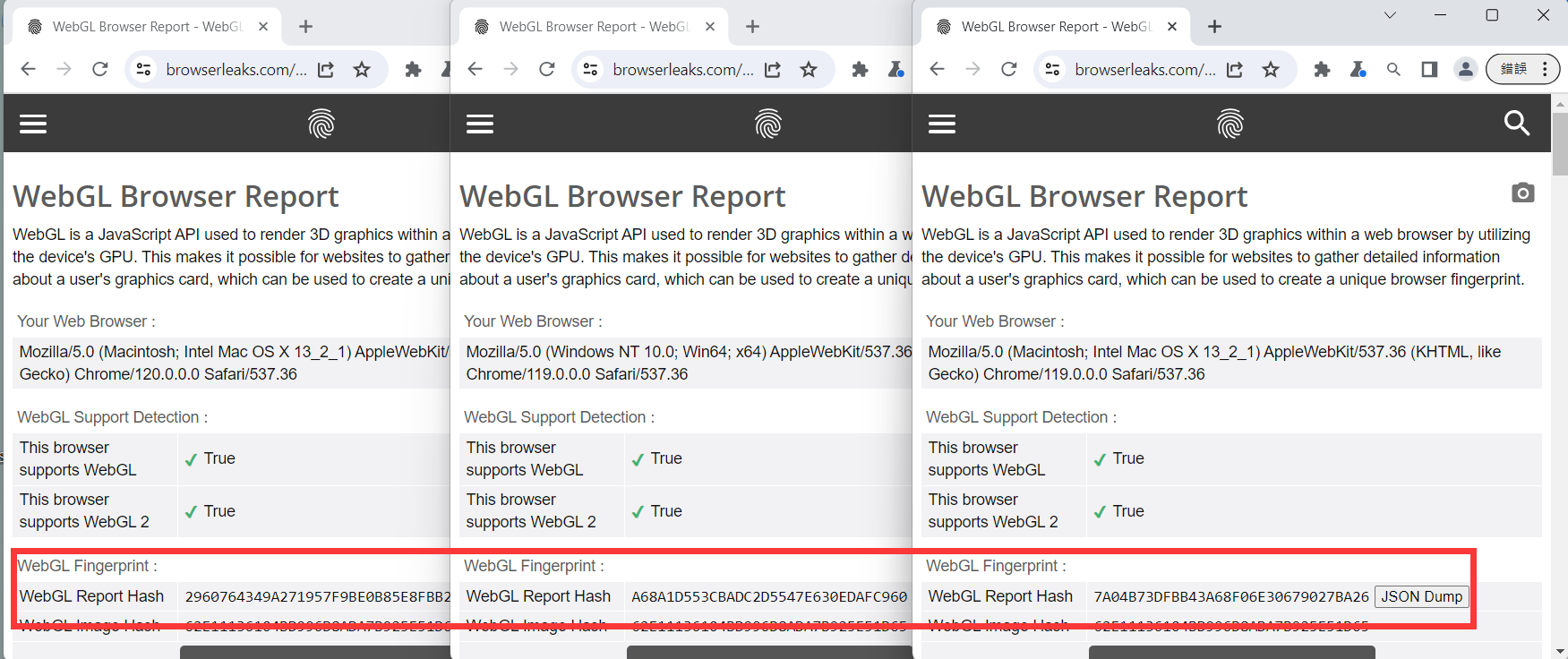
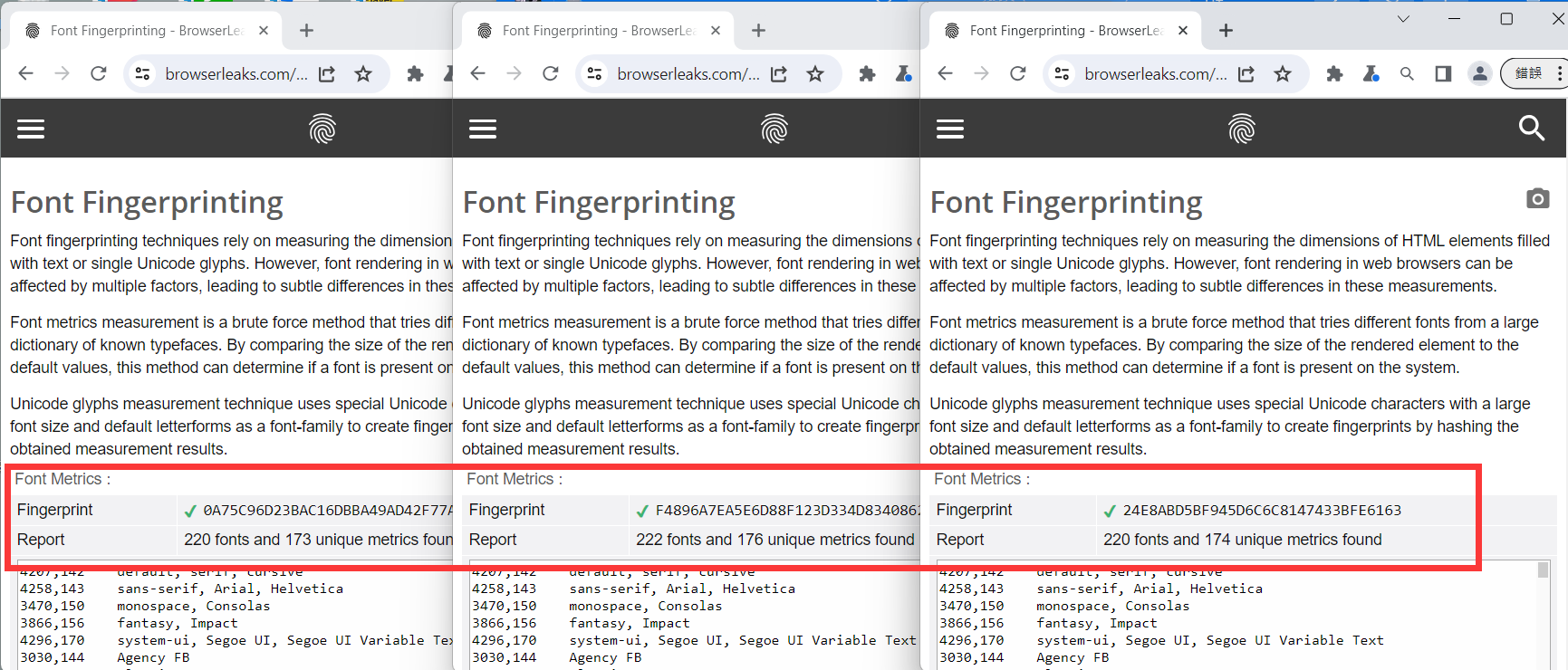
Our software approaches browser fingerprinting in a completely indigenous way. Instead of trying to prevent websites from reading your computer’s fingerprint, our software allows reading it but replaces your original fingerprint with a different one. When you use a proxy IP, our software is fully different to other software that only add a proxy to your browser to work, our software will set the timezone, language, DNS and location etc... is matched to your proxy IP, that will make you looks like a real people from the proxy IP. Our software can also generate different device fingerprint and bind different fingerprint with your accounts. Once the account is bind with proxy IP, device fingerprint and other settings, the account will use these settings all the time with all operation. That is why you can use our software to mange and operate many accounts with different proxy safely.


| Section | Opening line (approx.) | Philosophical point | |---------|----------------------|---------------------| | | "Nema mi veće sreće nego da ti ispričam ovu pjesmu..." | Ivan frames it as a "poem in prose" – he is the author, not the believer. | | The Setting | "Sevilja. U tamnici kod svete Marije..." | Christ appears to the people; they worship him instantly. | | The Arrest | "Stari inkvizitor vidi ga prolazi..." | The Cardinal orders him imprisoned, reasoning that Christ never returned to meddle. | | The Monologue (core) | "Zašto si došao da nam smetaš?" | The Inquisitor argues that the Church has improved Christ’s teaching: they give people bread, miracles, and collective submission. | | The Release | "Zato što te ne želim više u zatvoru..." | Christ kisses the old man. The Inquisitor lets him go, saying "Idi i ne dolazi više…" | | Alyosha’s reaction | "Tvoja pjesma je hvala Isusu, ne poruga..." | Alyosha kisses Ivan – mirroring the poem’s ending. |
F.M. DOSTOJEVSKI - Veliki inkvizitor | Audio knjige na srpskom braca karamazovi veliki inkvizitor pdf
Ignore the philosophy. Feel the heat of Seville, the cold of the prison, the hatred in the old man’s voice. | Section | Opening line (approx
The Grand Inquisitor's rationalizations for his actions are both fascinating and disturbing. He argues that humanity is not yet ready for the burden of freedom, that people are inherently weak and incapable of making choices that lead to true happiness. He sees himself as a guardian, protecting humanity from the destructive consequences of unchecked freedom. However, this line of reasoning raises fundamental questions about the nature of humanity and the role of authority. | | The Arrest | "Stari inkvizitor vidi ga prolazi
: Poema se vrti oko tri pitanja koja je Duh (Satana) postavio Hristu u pustinji: hleb, čudo i vlast. Inkvizitor veruje da je crkva "ispravila" Hristovu grešku prihvatajući ova iskušenja kako bi nahranila i umirila čovečanstvo.
"The Grand Inquisitor" is a pivotal chapter in Dostoevsky’s The Brothers Karamazov that presents a profound critique of freedom, authority, and faith through a monologue by a 90-year-old cardinal in 16th-century Seville. The narrative explores the conflict between human weakness and the burden of free will, ultimately contrasted by a silent, loving gesture from Christ. For an in-depth summary and analysis, visit SparkNotes .
The Grand Inquisitor, who has long believed that humanity is inherently flawed and in need of guidance and control, sees Jesus as a threat to his authority. He believes that Jesus' message of love and forgiveness is unrealistic and that humanity needs a more practical and effective approach to achieving happiness.
Browse the latest blog posts for in-depth insights into anti-detection and online privacy. Stay up-to-date!



Submit your need here, we will check and give you reply asap.