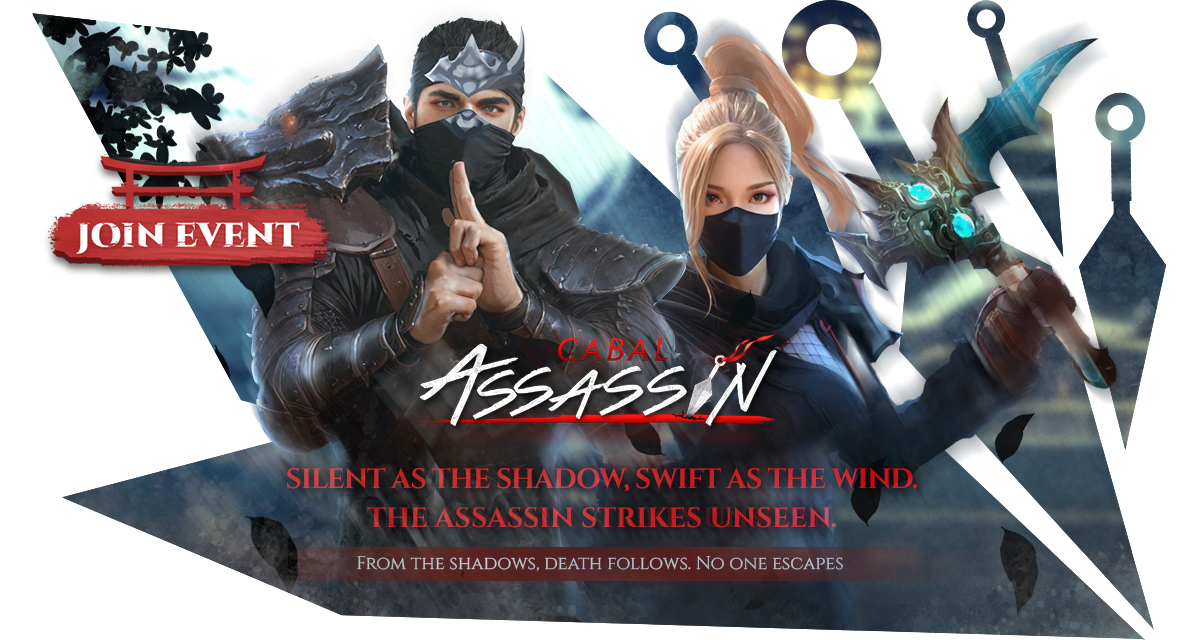


Welcome to Cabal Fest 2026! Don't miss this once in a generation event. Experience the SEA biggest Cabal celebration and grab your exclusive loot. UNITE IN LEGEND. BUILD A NEW LEGACY TOGETHER.



Stay current with fast, easy-to-digest news, patch notes, and event updates plus concise highlights of the changes.
Capture visualisation is the process of converting captured visual data (photographs, scans, or sensor outputs) into visual models, maps, or analytics for inspection, monitoring, and decision-making. In industries such as construction, materials testing, cultural heritage conservation, and manufacturing, a common objective is detecting and representing cracks or defects while avoiding false positives or artefacts—what we’ll call “crack-free” visualisation: producing accurate, reliable outputs without spurious crack indications.
For more specific information, please provide additional context or details.
To achieve a visualization that is truly crack-free, you must focus on three primary technical pillars: hardware synchronization, software throughput, and environmental stability. 1. Hardware Synchronization (The Foundation)
Capture visualisation is the process of converting captured visual data (photographs, scans, or sensor outputs) into visual models, maps, or analytics for inspection, monitoring, and decision-making. In industries such as construction, materials testing, cultural heritage conservation, and manufacturing, a common objective is detecting and representing cracks or defects while avoiding false positives or artefacts—what we’ll call “crack-free” visualisation: producing accurate, reliable outputs without spurious crack indications.
For more specific information, please provide additional context or details.
To achieve a visualization that is truly crack-free, you must focus on three primary technical pillars: hardware synchronization, software throughput, and environmental stability. 1. Hardware Synchronization (The Foundation)