Purchase the Full Version
Buy Auto Clicker on Microsoft Store

Get the full version of Auto Clicker on the Microsoft Store for a native Windows experience.


The Malayalam language is celebrated for its wit and unique slang. Common terms like "Adipoli" (extraordinary) and "Kidu" (awesome) are frequently popularized through cinema.
Malayalam cinema, often called "Mollywood," is an intrinsic reflection of Kerala's socio-political history, literary depth, and unique cultural identity xwapserieslat popular mallu bbw nila nambiar extra quality
These series are typically released on independent Malayalam-language OTT (Over-the-Top) platforms. The Malayalam language is celebrated for its wit
In Malayalam cinema, the geography dictates the narrative. The oppressive, humid heat of the summer in films like Premam or Android Kunjappan Version 5.25 isn't just a backdrop; it dictates the mood of the characters. The relentless monsoon, a staple in films from Vishudhan to Kumbalangi Nights , is often a metaphor for turmoil or cleansing. In Malayalam cinema, the geography dictates the narrative
Kerala’s political landscape—steeped in leftist movements, caste reform, and land redistribution—has deeply influenced its cinema. Films like Kerala Varma Pazhassi Raja (2009) revisit feudal resistance, while Papilio Buddha (2013) and Ottamuri Velicham (2017) tackle tribal oppression and caste-based violence. Njan Steve Lopez (2014) and Mayanadhi (2017) explore contemporary youth disillusionment with systemic corruption. Malayalam cinema doesn’t shy away from the state’s contradictions: high literacy alongside communal tensions, progressive laws alongside lingering patriarchy.
The industry’s reputation was built on . For decades, filmmakers have used the medium to dissect human contradictions and address local issues such as:
| Aspect | Reinforcement | Challenge / Critique | |--------|----------------|----------------------| | | Idealized joint family nostalgia in classics like Manichitrathazhu . | Toxic joint families in Kumbalangi Nights , Aarkkariyam . | | Religion | Temple festivals ( Thira , Varathan ) and church life. | Hypocrisy of priests ( Amen ), religious violence ( Paleri Manikyam ), misogyny in ritual ( The Great Indian Kitchen ). | | Politics | Heroic communist cadre (early G. Aravindan). | Corrupt union leaders ( Thondimuthalum Driksakshiyum ), police brutality ( Nayattu ). | | Gender | Traditional mother figure ( Chanthu in Devadoothan ). | Strong female leads ( Moothon , Take Off ), patriarchy dismantled ( The Great Indian Kitchen , Joji ). | | Migration | Gulf migration as aspiration ( Mumbai Police ’s backstory). | Emotional cost of migration ( Maheshinte Prathikaaram – father-son distance). |
The Malayalam language is celebrated for its wit and unique slang. Common terms like "Adipoli" (extraordinary) and "Kidu" (awesome) are frequently popularized through cinema.
Malayalam cinema, often called "Mollywood," is an intrinsic reflection of Kerala's socio-political history, literary depth, and unique cultural identity
These series are typically released on independent Malayalam-language OTT (Over-the-Top) platforms.
In Malayalam cinema, the geography dictates the narrative. The oppressive, humid heat of the summer in films like Premam or Android Kunjappan Version 5.25 isn't just a backdrop; it dictates the mood of the characters. The relentless monsoon, a staple in films from Vishudhan to Kumbalangi Nights , is often a metaphor for turmoil or cleansing.
Kerala’s political landscape—steeped in leftist movements, caste reform, and land redistribution—has deeply influenced its cinema. Films like Kerala Varma Pazhassi Raja (2009) revisit feudal resistance, while Papilio Buddha (2013) and Ottamuri Velicham (2017) tackle tribal oppression and caste-based violence. Njan Steve Lopez (2014) and Mayanadhi (2017) explore contemporary youth disillusionment with systemic corruption. Malayalam cinema doesn’t shy away from the state’s contradictions: high literacy alongside communal tensions, progressive laws alongside lingering patriarchy.
The industry’s reputation was built on . For decades, filmmakers have used the medium to dissect human contradictions and address local issues such as:
| Aspect | Reinforcement | Challenge / Critique | |--------|----------------|----------------------| | | Idealized joint family nostalgia in classics like Manichitrathazhu . | Toxic joint families in Kumbalangi Nights , Aarkkariyam . | | Religion | Temple festivals ( Thira , Varathan ) and church life. | Hypocrisy of priests ( Amen ), religious violence ( Paleri Manikyam ), misogyny in ritual ( The Great Indian Kitchen ). | | Politics | Heroic communist cadre (early G. Aravindan). | Corrupt union leaders ( Thondimuthalum Driksakshiyum ), police brutality ( Nayattu ). | | Gender | Traditional mother figure ( Chanthu in Devadoothan ). | Strong female leads ( Moothon , Take Off ), patriarchy dismantled ( The Great Indian Kitchen , Joji ). | | Migration | Gulf migration as aspiration ( Mumbai Police ’s backstory). | Emotional cost of migration ( Maheshinte Prathikaaram – father-son distance). |
Get the full version of Auto Clicker on the Microsoft Store for a native Windows experience.
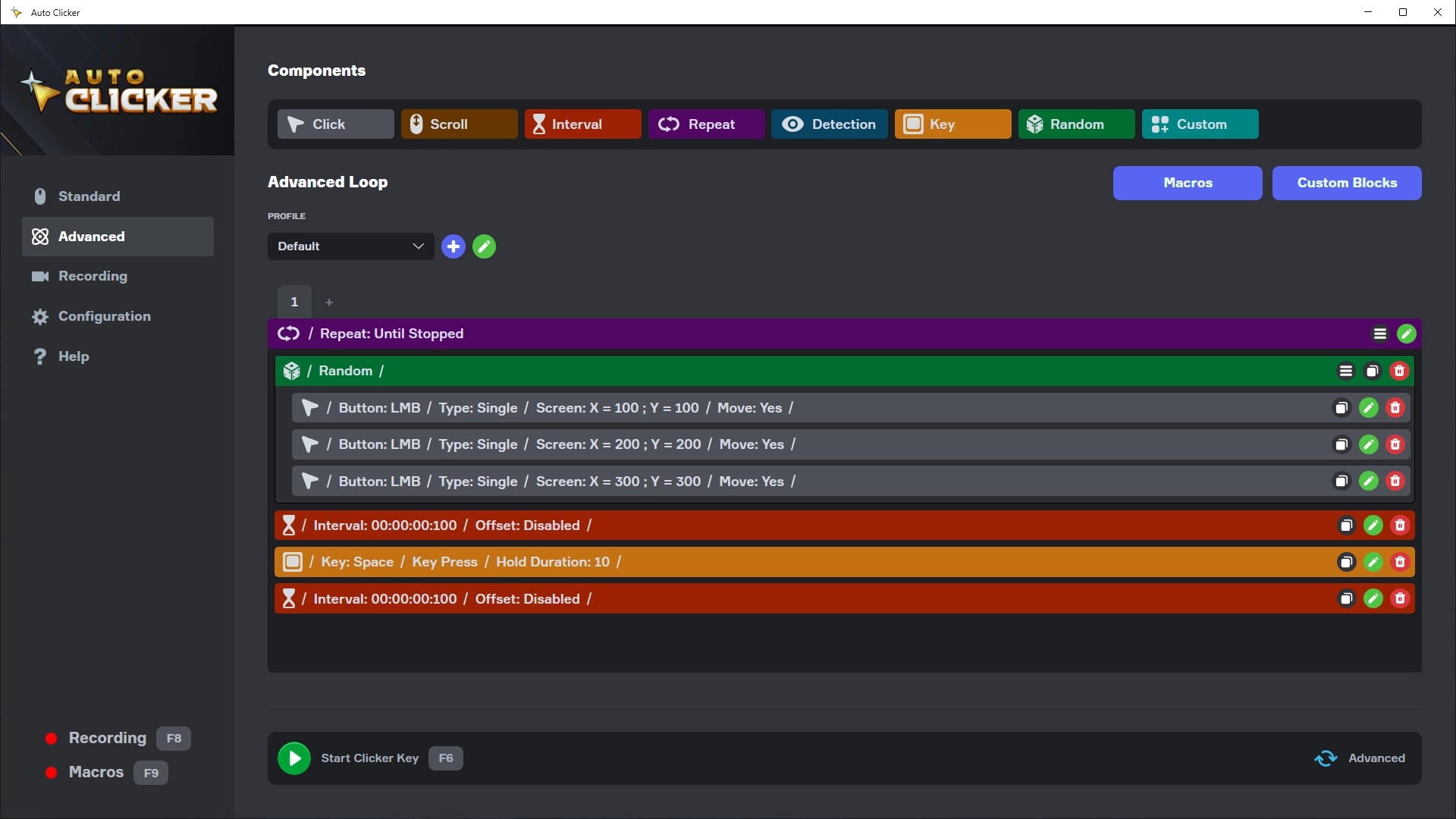
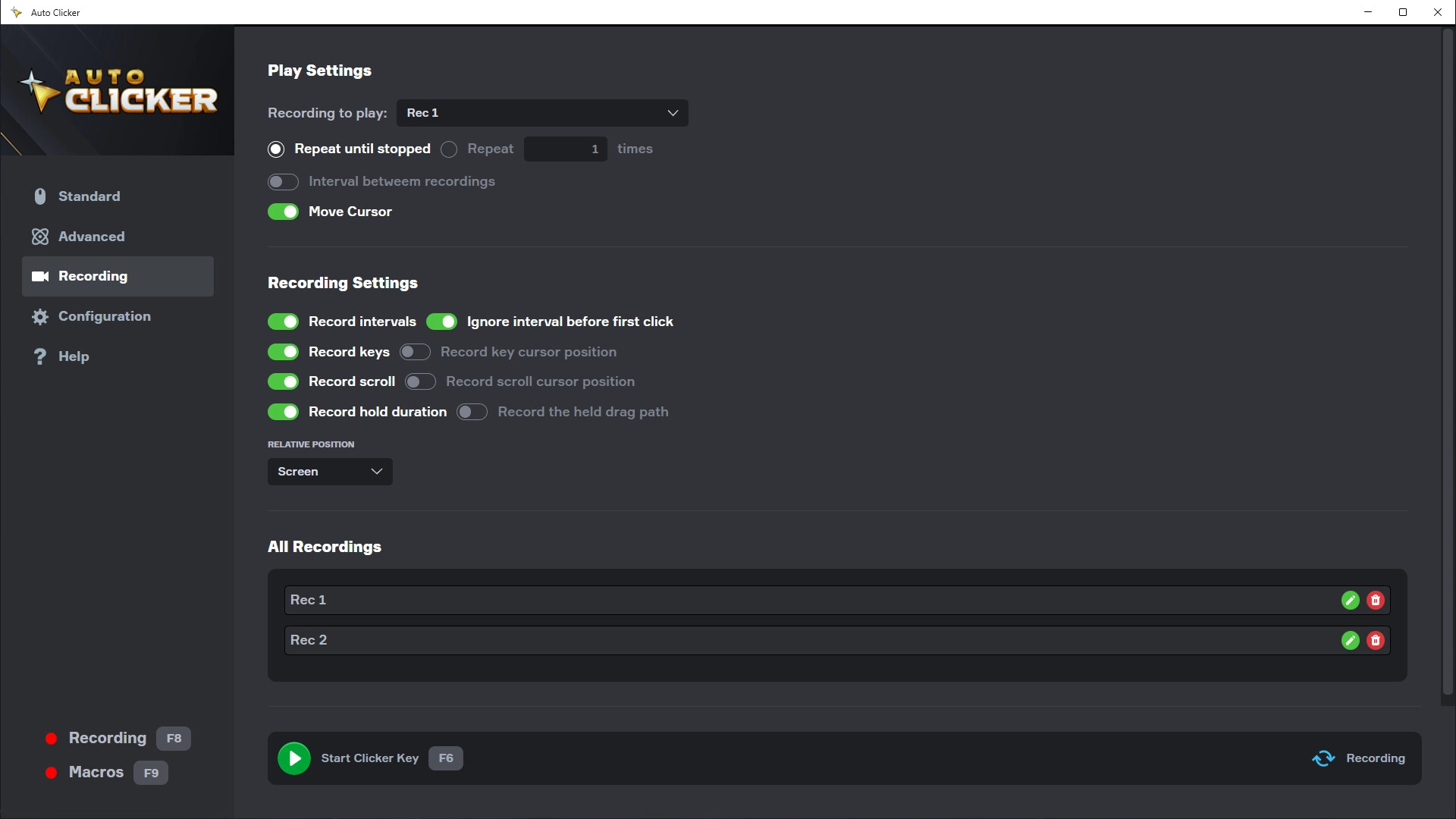
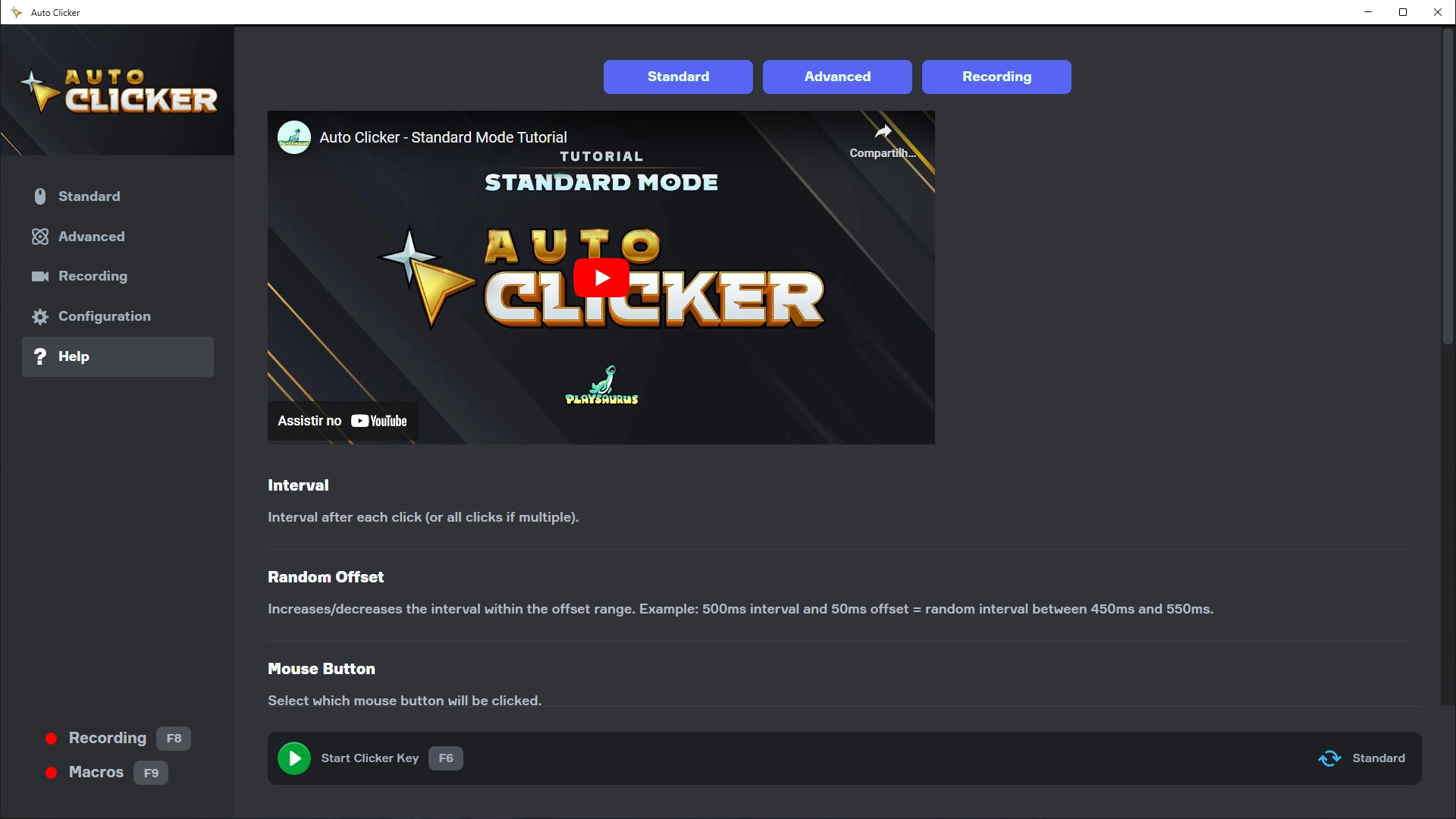
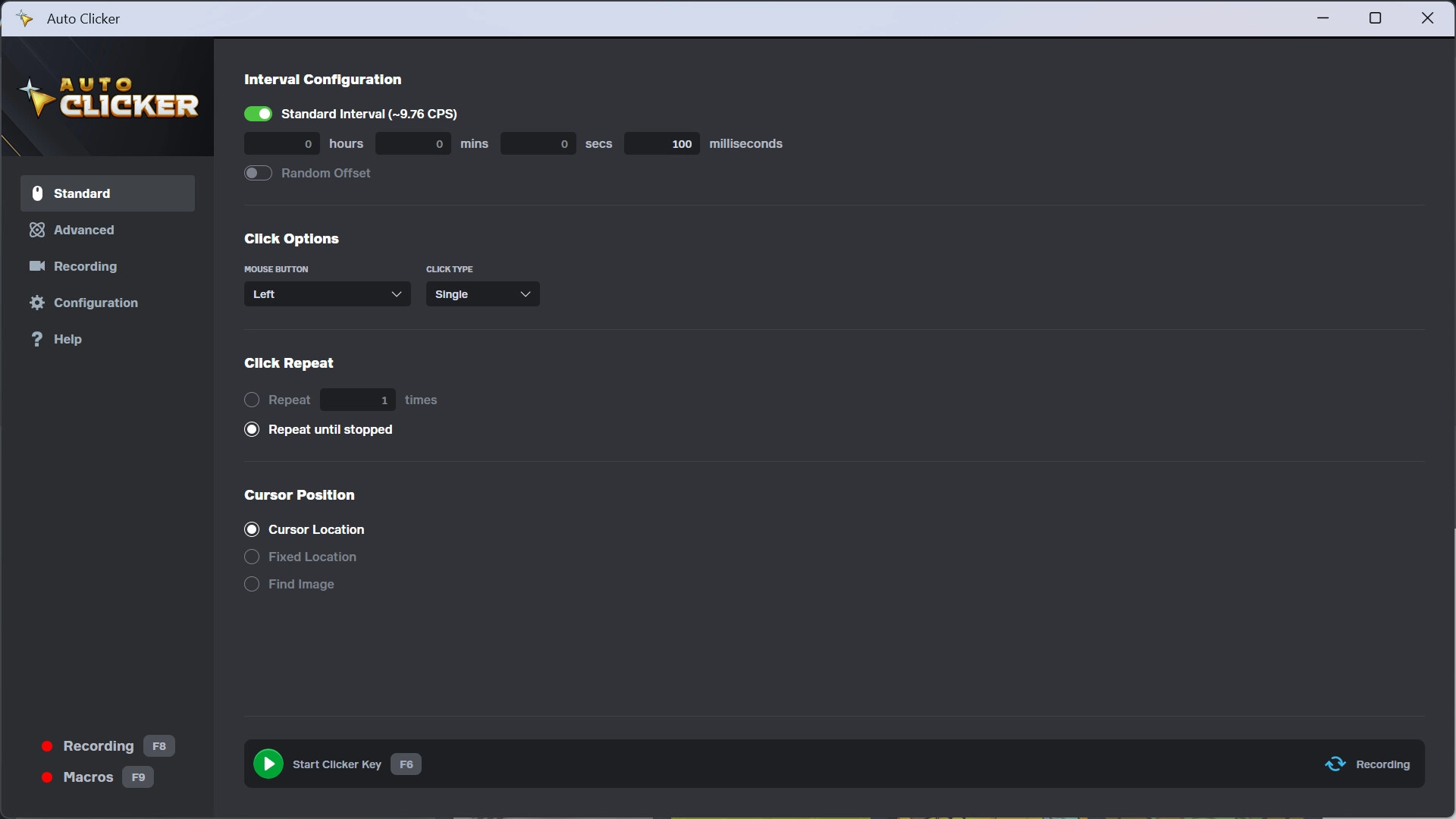
"This piece of software makes clicker/idle games SO much more comfortable to play. It's an accessibility godsend for anyone with hand problems, exhaustion issues, or just better stuff to do. 100% worth the price, so SO glad I found this."
"Best auto clicker out there! Feature rich and very easy to use an intuitive. Works great for Cookie Clicker."